

Pre-Production for 3D Spaces
On the invisible stages of worldbuilding: research, boards, sketches, and material decisions for 3D spaces.

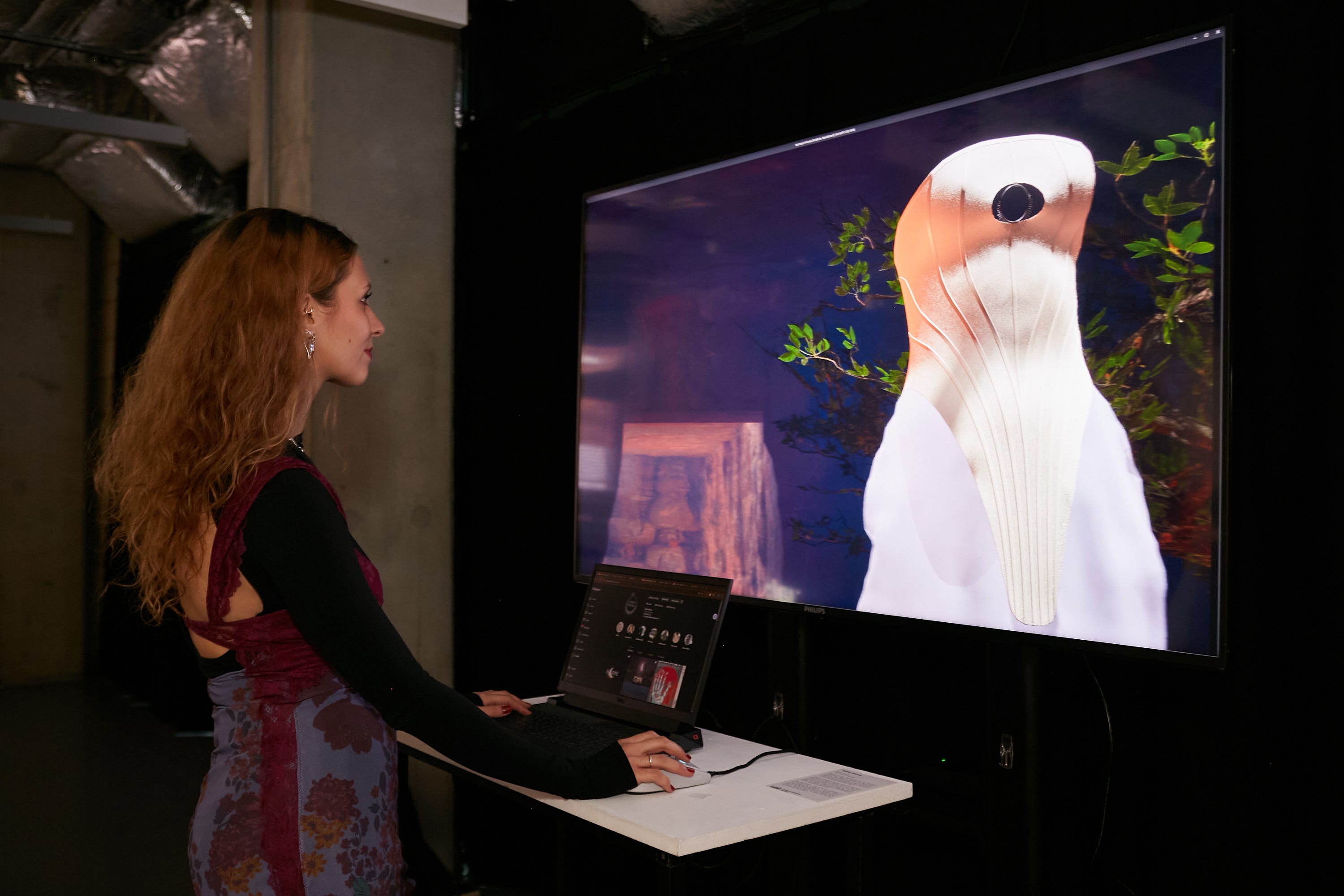
This is the second entry in a series documenting the development of SecondComing, a 3D virtual space built inside Unreal Engine for independent designers. The first entry covered the research and initial concept.

Layout Design and Storytelling
Every environment begins with the same question: how must the space feel like? For SecondComing, that question drove every decision made between the initial research phase and the first rendered frame. The answer arrived through a structured creative process, layer by layer, from the broadest conceptual territory down to the texture of a cave wall.
1. Mind Map
The process opened with a mindmap. Starting from the project’s central theme and expanding outward into branches, each strand generated its own vocabulary of keywords, words that would later become the raw material for a visual library. This is less about inspiration boards in the traditional sense and more about building a precise, searchable archive of the feeling being pursued.
Developed in its modern form by Tony Buzan, mind mapping is grounded in the idea that the brain does not think in linear sequences but radiates outward from a central concept, making associations across multiple branches simultaneously. The most effective maps use single keywords per branch rather than phrases, because the constraint forces absolute conceptual clarity and accelerates the generation of new associations. Colour and spatial hierarchy within the map indicate which branches carry the most weight, creating a structure that is both immediately readable and easy to return to weeks into a project.
2. Visual Library and Mood Boards
The visual library itself was organised around four variables: lighting, texture, environment structure, and movement. Mood boarding at this stage served a specific function, annotating the overall atmosphere while keeping attention fixed on the granular details that distinguish a convincing space from a generic one.
The academic study of mood board methodology, including research published by Trevor Cassidy at the University of Huddersfield, identifies three fundamental stages in the process: gathering, organising, and presenting. The critical discipline at the gathering stage is not to limit sources to images that already resemble the target outcome. More effective mood boards pull from adjacent material, capturing a specific quality of light from architecture photography, a surface texture from textile design, a compositional tension from fine art, and then forcing those elements into conversation with each other. Annotating the board, marking which specific element from each image carries the desired quality, transforms a collection of references into a working document.
3. Environment Structure
From there, the work moved into sketching the overall structure. For the start level, the vision centred on a cave containing a waterfall, a staircase, and a circular portal. The sketch remained loose and quick, with references pulled separately for colour schemes and materials.
In environment concept art and game design, the professional standard is to prioritise broad composition and silhouette before any surface detail is introduced. Thumbnailing, which produces small, rapid layout sketches focused on shape and spatial hierarchy rather than rendering, allows for rapid comparison of multiple compositional approaches without committing time to any single one. For level design specifically, the sketch phase should address how movement through the space will feel before it addresses how the space will look, because player experience is determined by the relationship between architectural volumes and the path of navigation, not by the surface qualities applied to them.
4. Fashion Direction
Fashion, as a design force within this project, demanded its own dedicated phase of decision-making. The choice to work with jewellery designers rather than clothing designers grew from a deliberate position: clothing, as an industry, operates on cycles of rapid production and disposal, whereas jewellery accumulates meaning over time. It is preserved, maintained, and handed down. That durability made jewellery the right material language for a project about lasting value, and the decision was made to integrate pieces within garments rather than positioning them as accessories alongside them.
The practice of integrating jewellery into garments rather than treating it as supplementary adornment has a documented history within wearable art. The wearable art movement, which began developing in the 1930s and expanded through the 1960s and 1970s, established the precedent of treating jewellery and clothing as a single unified design object rather than separate categories. Designers working in this tradition, from Margaret de Patta in mid-century America to contemporary practitioners like Wallace Chan, treat the piece and the body together as the site of meaning, with the material relationship between jewellery and garment carrying conceptual weight rather than functioning as decoration. More to come on this subject in future article on the history of jewellery embedded fashion.
Applied Theory
The Cave: Level One
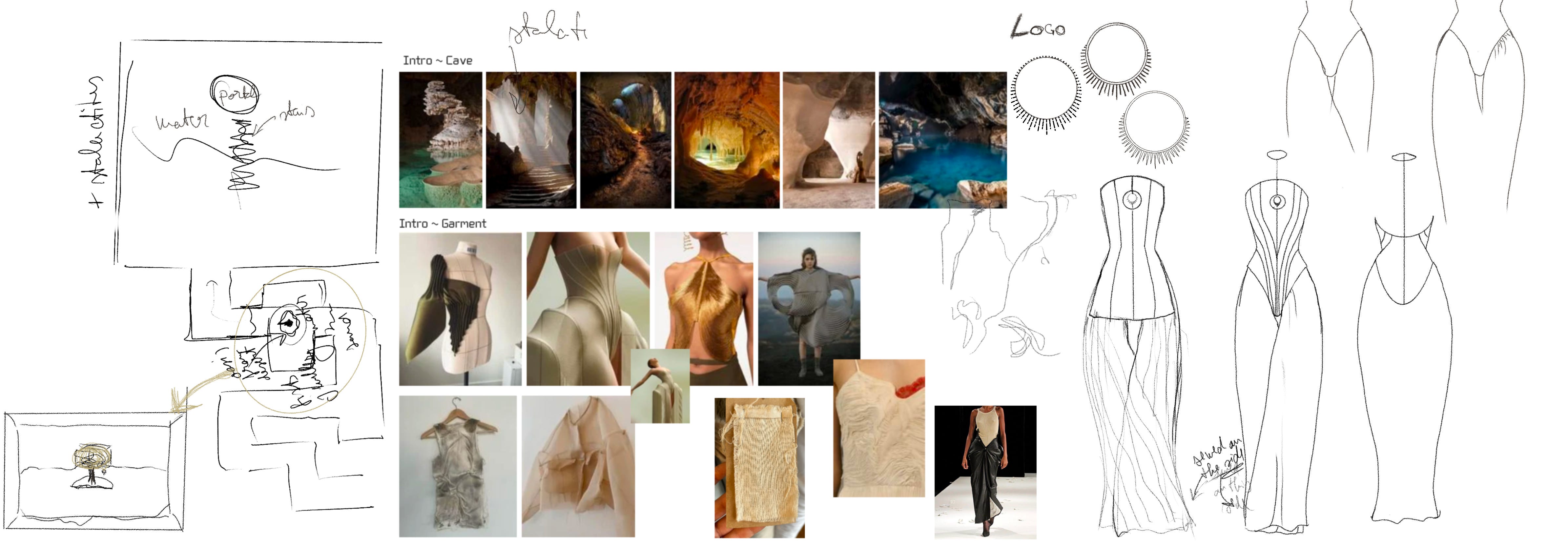
The introductory level begins in a cave that shifts into a series of long corridors, characterised by dim lighting and narrow, confined geometry. The layout was designed to produce a specific psychological effect: sustained anticipation. Moving through each turn without knowing what lies ahead, the player experiences that particular tension of enclosed spaces before the corridors open abruptly into a vast, dark chamber where the walls dissolve from view entirely.
The contrast between those two spatial registers, claustrophobia followed immediately by boundlessness, produces something closer to unease than relief. Within that open chamber, the player encounters the first piece of jewellery, introduced on a glowing central pedestal. The object functions simultaneously as a collectible and as an orientation device, signalling to the player that this space rewards exploration and that each item encountered carries conceptual weight. The second room contains a staircase leading to a portal, and the portal marks the transition into the next level through a cinematic shift rather than a simple door.
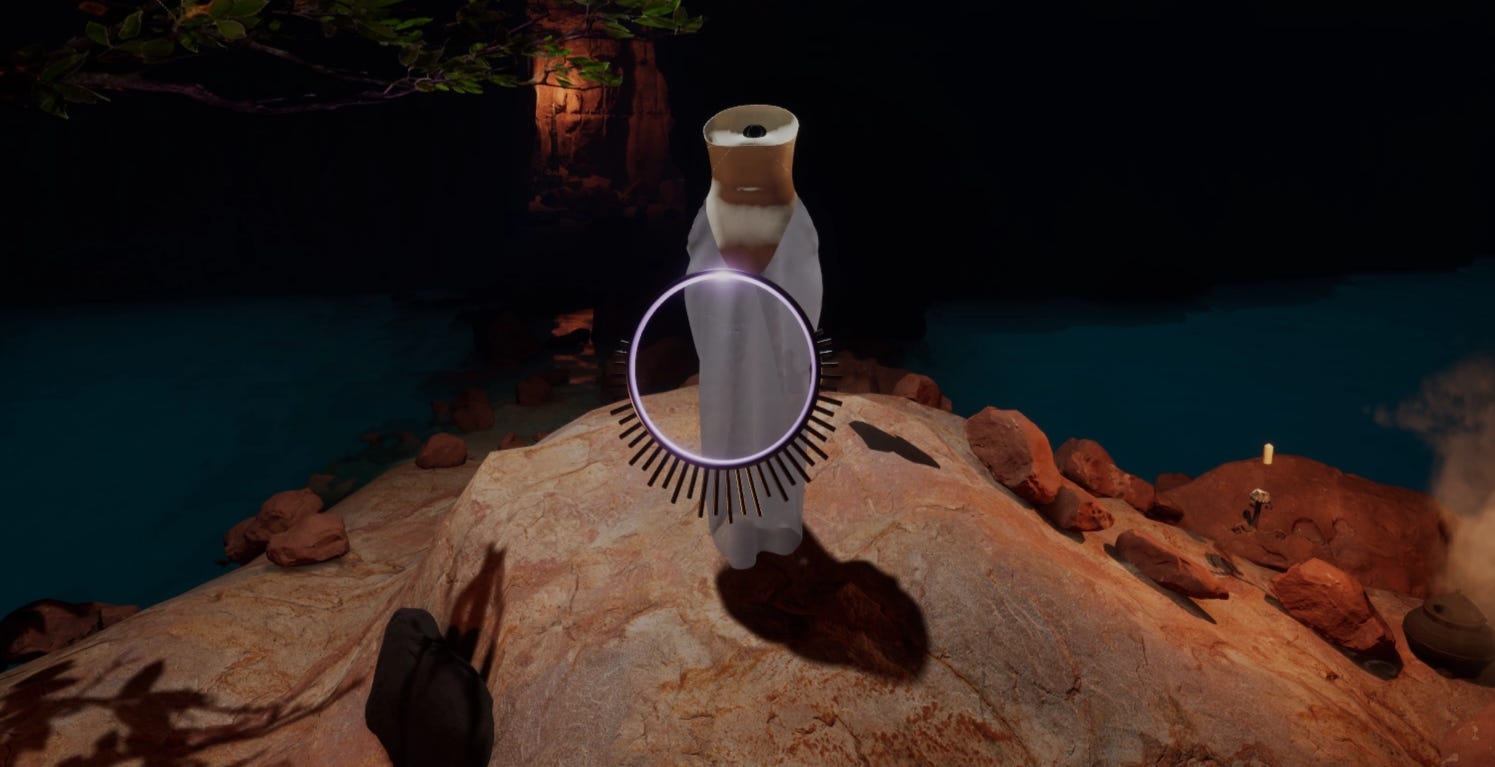
Colour throughout this level follows a complementary scheme. The deep, burnt orange of the cave walls sits against the vivid blue of the water and the electric intensity of the portal. The garment designed for this environment takes its cues directly from the spatial contrast: a structured, tightly fitted corset in the upper section mirrors the rugged, undulating texture of the rock, while the lower portion is made from flowing, translucent fabric that reflects the clarity and movement of water. Structure and fluidity, held in the same silhouette.
The Mountain: Final Level
The closing level functions differently from everything that precedes it. Where the cave and the desert levels are narrative and sensory, the mountain is reflective. The environment is serene, the garment fluid and minimalist, and the central collectible, a necklace incorporating a stone sourced from the virtual landscape itself, ties the player symbolically to the space they have moved through.
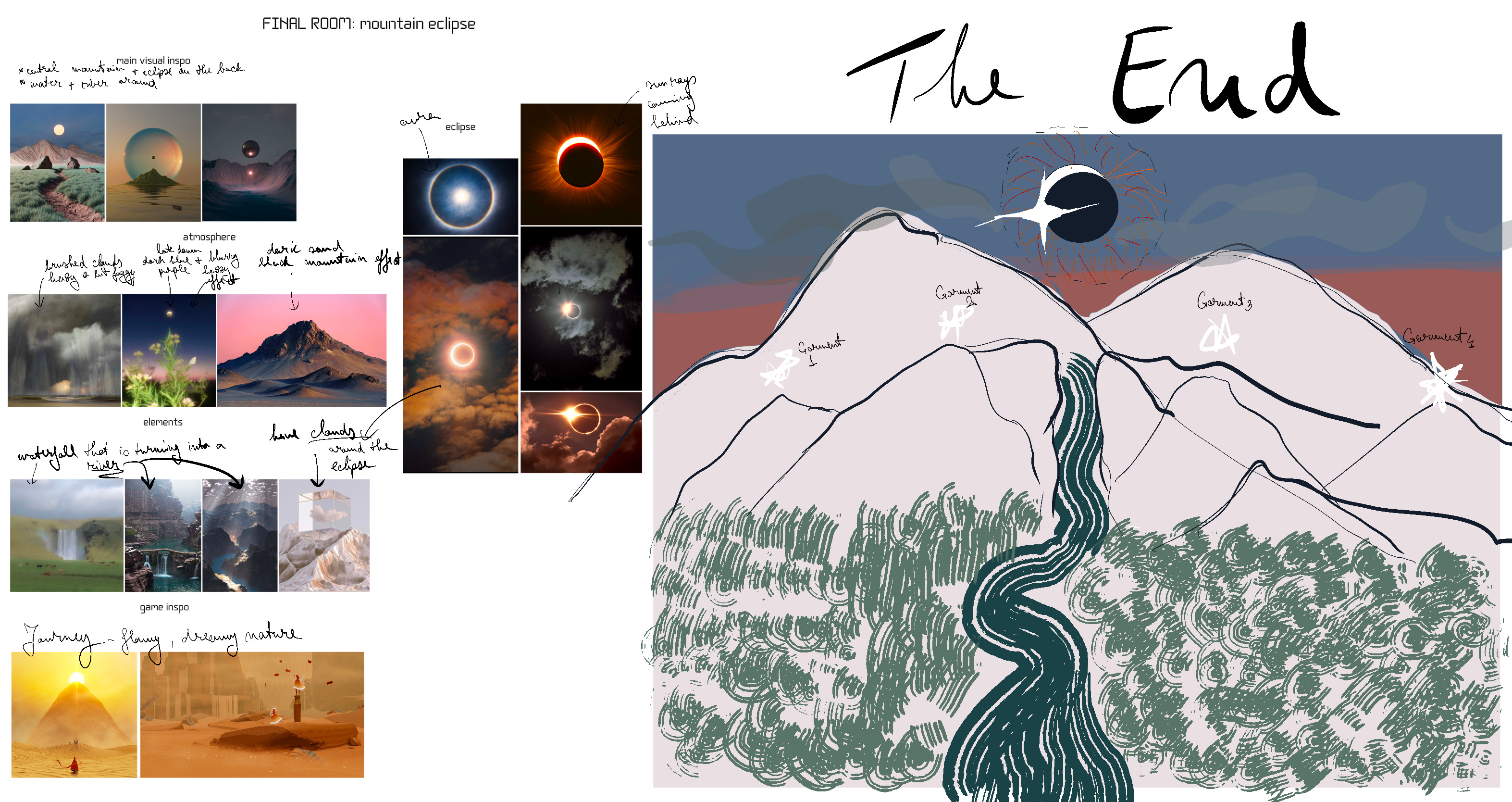
The descent down a steep path leads to a series of designer showcases. At each point, the player character fades from view and a screen emerges displaying a designer’s biography, portfolio links, and contact information. The immersive experience opens, deliberately, into the real world. The design encourages players to revisit the work they have encountered and to engage with the people behind it, moving from the conceptual and atmospheric into something transactional in the best sense: genuine connection between maker and audience.
The level closes on a cave entrance that contains another portal, returning the player to the beginning. That cyclical structure reinforces the project’s broader argument about interconnectedness, the way that objects, stories, and people loop back through each other across time.
The primary reference for this level was the game Journey, known for its serene atmosphere and its capacity to generate quiet intrigue without explicit narrative. For each level across the project, distinct image collections were assembled and annotated to identify which specific elements warranted incorporation, producing a concept that was precise enough to move directly into execution.
Next week: the collaboration process with the jewellery designers, and how their work shaped the level that sits between these two.
Following the full build of SecondComing? Subscribe to get each entry directly.